
CPC deploys autonomous cleaning robots, GPS-tracked attendance systems, IoT monitoring and digital audit tools across its national portfolio of government, industrial, education and commercial facilities in Australia, providing clients with real-time compliance evidence and documented performance trails across every site.
Technology in commercial cleaning is not a marketing differentiator. For regulated sector clients, digital audit evidence and documented performance trails have become procurement requirements. and for large-floor-plate facilities, autonomous cleaning systems are delivering measurable consistency improvements over human-only overnight operations.
Robotic Cleaning Systems
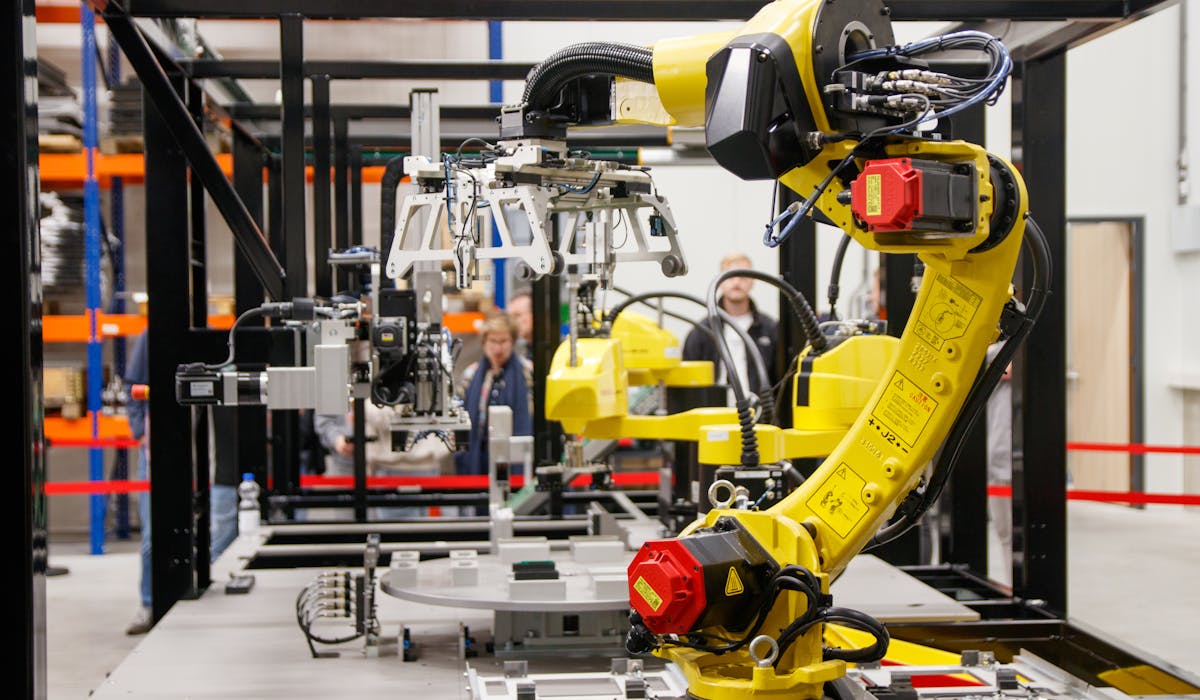
Autonomous floor cleaning robots are deployed in large open-plan environments including retail centres, airports, industrial facilities, logistics warehouses and education campuses. These systems operate independently on pre-mapped routes, maintaining consistent cleaning coverage across large floor areas during overnight or after-hours windows.
Autonomous operation frees human cleaning operators to focus on detail cleaning tasks, restroom servicing and areas requiring judgement and flexibility that robotic systems cannot replicate. Robotic floor cleaning also reduces fatigue-related performance variation during long overnight shifts. a common cause of inconsistent floor cleaning quality in large facilities.
Digital Audit and Inspection Tools
Digital inspection platforms replace paper-based checklists with real-time data capture, photographic evidence with geolocation and timestamp data, defect tracking from identification through to verified resolution, and trend analysis across sites and time periods.
For government and regulated sector clients, digital audit evidence provides the documented performance trail that procurement frameworks require. Photographic evidence of completed work areas, timestamped to confirm overnight delivery, is materially different from a supervisor's verbal confirmation of completed work. Digital audit capability is increasingly a minimum requirement in government cleaning procurement.
AI in Cleaning Management
Artificial intelligence is being applied to:
- Scheduling optimisation across complex multi-site portfolios
- Predictive maintenance management for cleaning equipment
- Resource allocation modelling to match workforce deployment to actual facility requirements
- Performance analysis to identify underperforming sites before client complaints arise
AI scheduling can reduce labour costs while maintaining or improving coverage standards by optimising shift timing, duration and staffing levels against actual facility requirements. not historical precedent.
Digital audit tools reduce management time by automating data collection, reducing inspection visits and providing proactive identification of performance trends. The initial training investment is typically recovered quickly through reduced management cost and improved contract retention.
— CPC Technology Operations
Where Technology Applies
- Industrial facilities. autonomous systems for dust control and floor treatment in large open areas
- Government portfolios. digital audit platforms for compliance evidence generation
- Office towers. scheduling optimisation for after-hours coordination across multiple floor plates
- Education facilities. pre-planned outbreak response protocols triggered by digital incident management systems
Technology applications vary by facility type, but the underlying value is consistent. better evidence, better consistency and better resource efficiency.
How CPC Uses Technology
CPC uses digital inspection and reporting tools across all contracts as standard practice. not as an optional add-on. Audit data is captured in real time, providing clients with transparent performance records. Scheduling and resource management systems support consistent delivery at national scale across all states and territories.
CPC integrates robotic systems where site conditions, facility types and cleaning volumes support deployment. prioritising evidence-based deployment decisions over technology adoption for its own sake.
Workforce and Training Model
CPC operates a vetted workforce model combining employed core staff with contractor partners who meet our compliance, training and screening requirements. Technology training covers digital audit tool use as a mandatory element of all supervisor training, robot operation and routine maintenance procedures for deployed systems, and data interpretation skills for supervisors responsible for reviewing site performance data.
Technology adoption is integrated into standard training frameworks rather than treated as specialist knowledge. Workforce are trained to work productively alongside autonomous systems, understanding both the system's capabilities and its limitations.
Reporting, Auditing and Evidence
CPC's digital audit platform provides clients with:
- Inspection reports for all completed service visits
- Photographic evidence libraries organised by site, date and area
- Defect management records showing identification, assignment and verified resolution
- Performance trend analysis across sites and reporting periods
Reports are available in client-specified formats for integration into property management, procurement reporting, ESG reporting and board-level governance workflows.